Ryuichi Sakamoto
Ryuichi Sakamoto
Newsbiographydiscographyfilmographyartworkstourarchivesnewslettermanagement© 2026 Kab Inc. / Kab America Inc.
sakamotocommon OSAKA 1970/2025/Osaka/Ryuichi Sakamoto (Japan, 2025)
Shiro Takatani, Zakkubalan, Apichatpong Weerasethakul, Sony, YAMAHA
sakamotocommon OSAKA 1970/2025/OSAKA/RYUICHI SAKAMOTO 2025 ©2025 KAB Inc., VS. Joint Partnership
Photo by Asano Takeshi
Photo by Asano Takeshi
sakamotocommon OSAKA 1970/2025/OSAKA/RYUICHI SAKAMOTO 2025 ©2025 KAB Inc., VS. Joint Partnership
Photo by Asano Takeshi
Photo by Asano Takeshi
sakamotocommon OSAKA 1970/2025/OSAKA/RYUICHI SAKAMOTO 2025 ©2025 KAB Inc., VS. Joint Partnership
Photo by Asano Takeshi
Photo by Asano Takeshi
sakamotocommon OSAKA 1970/2025/OSAKA/RYUICHI SAKAMOTO 2025 ©2025 KAB Inc., VS. Joint Partnership
Photo by Asano Takeshi
Photo by Asano Takeshi
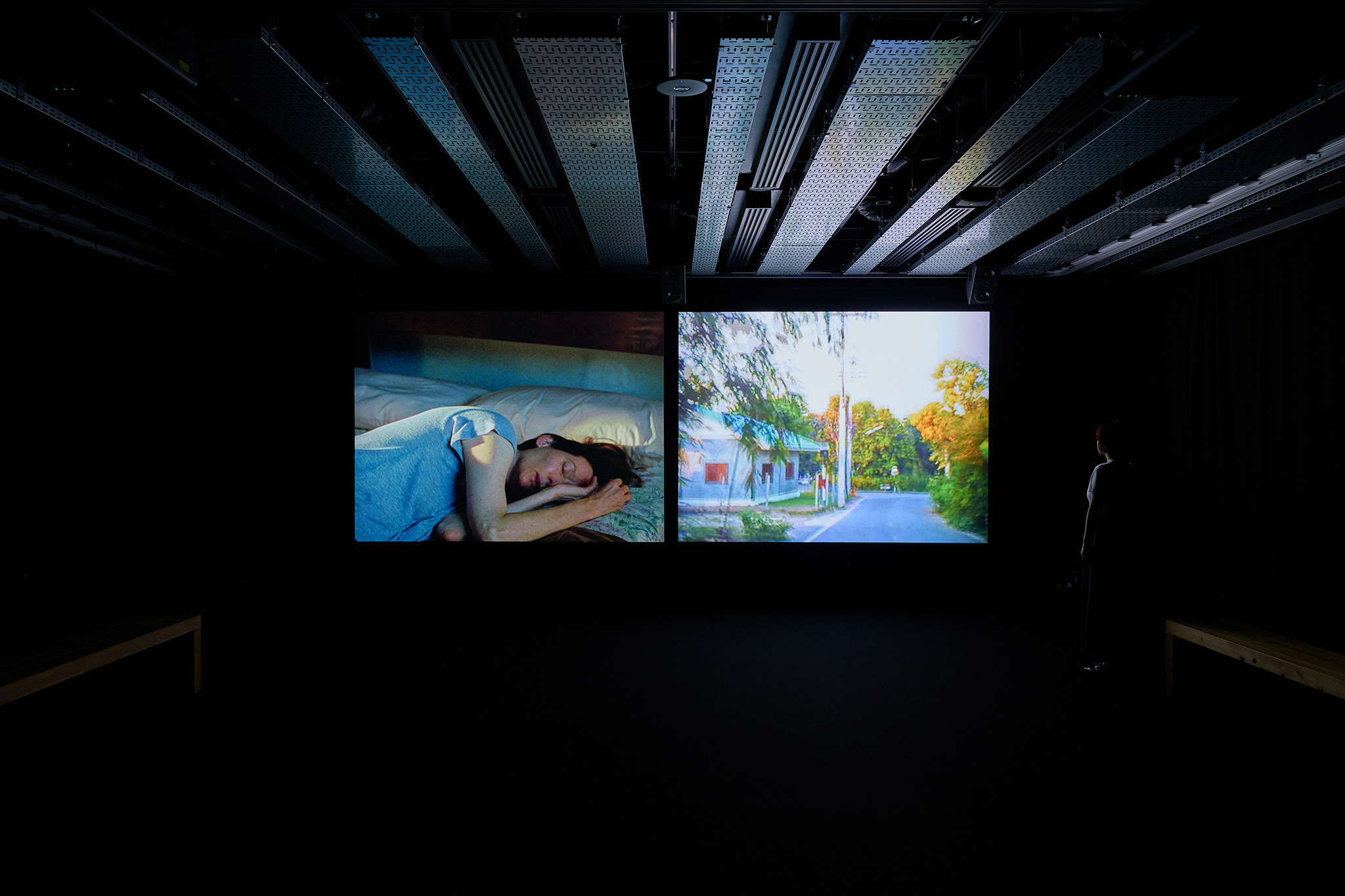
sakamotocommon OSAKA 1970/2025/OSAKA/RYUICHI SAKAMOTO 2025 ©2025 KAB Inc., VS. Joint Partnership
Photo by Asano Takeshi
Photo by Asano Takeshi
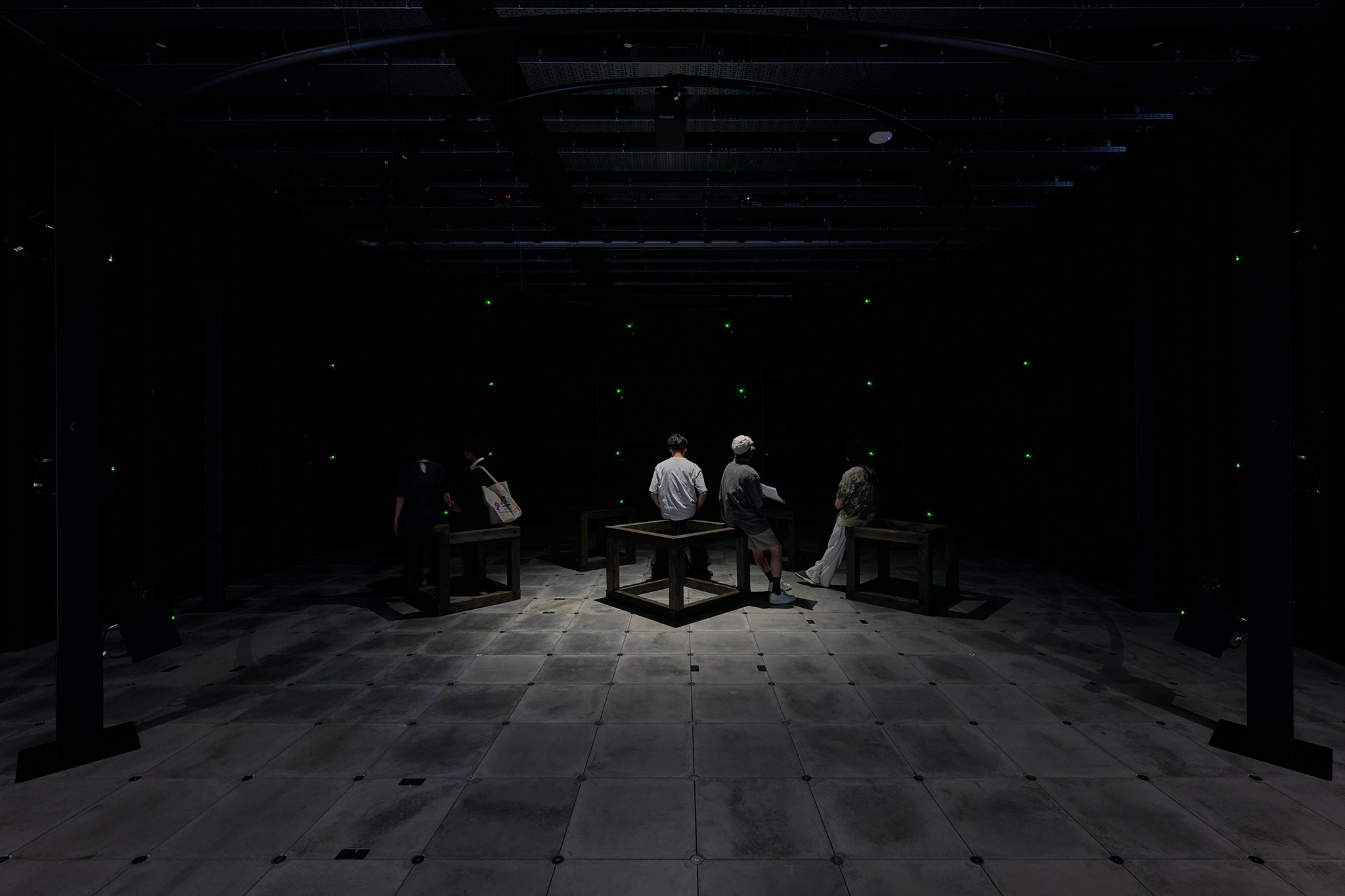
sakamotocommon OSAKA 1970/2025/OSAKA/RYUICHI SAKAMOTO 2025 ©2025 KAB Inc., VS. Joint Partnership
Photo by Asano Takeshi
Photo by Asano Takeshi
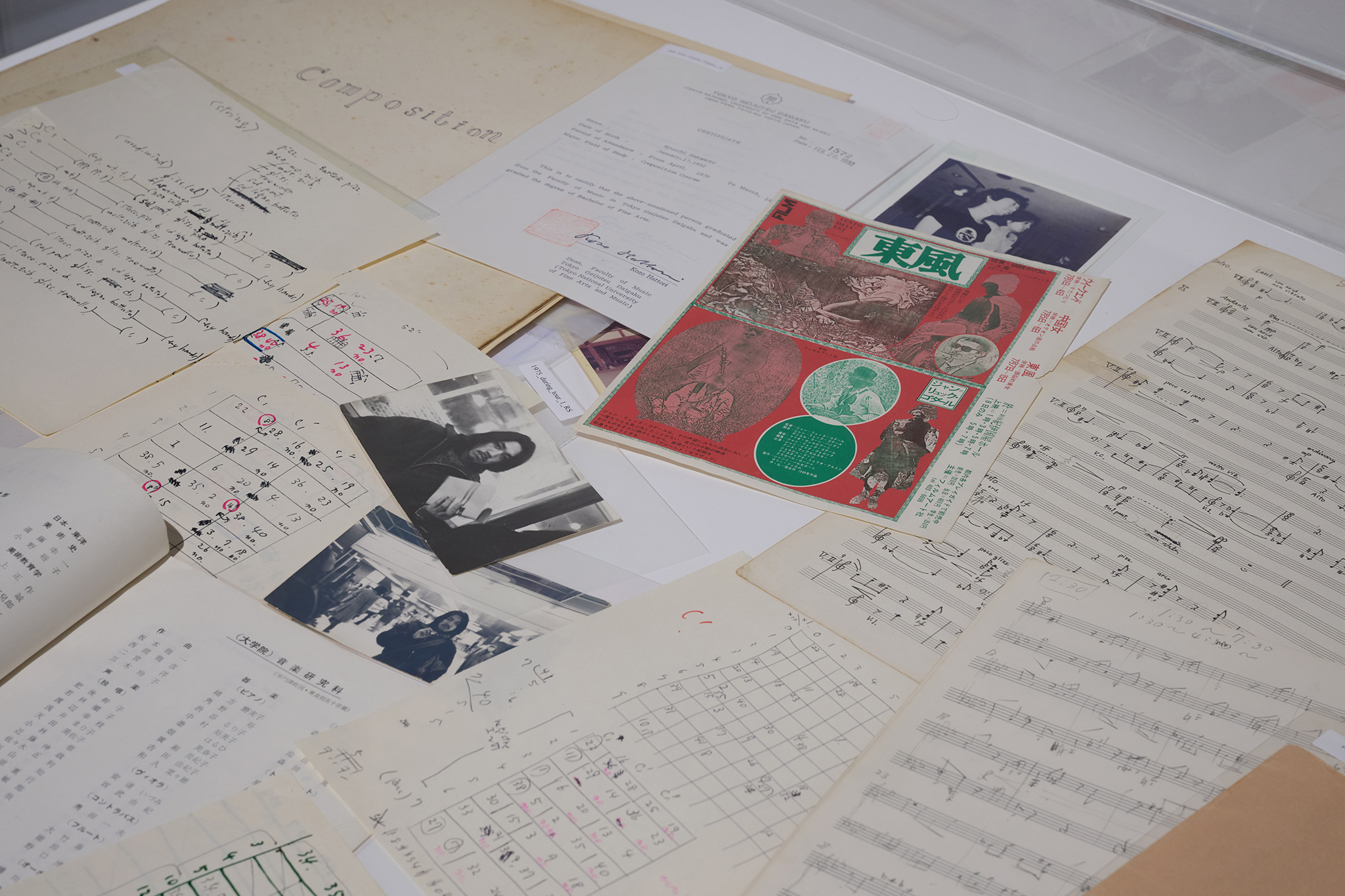
sakamotocommon OSAKA 1970/2025/OSAKA/RYUICHI SAKAMOTO 2025 ©2025 KAB Inc., VS. Joint Partnership
Photo by Asano Takeshi
Photo by Asano Takeshi
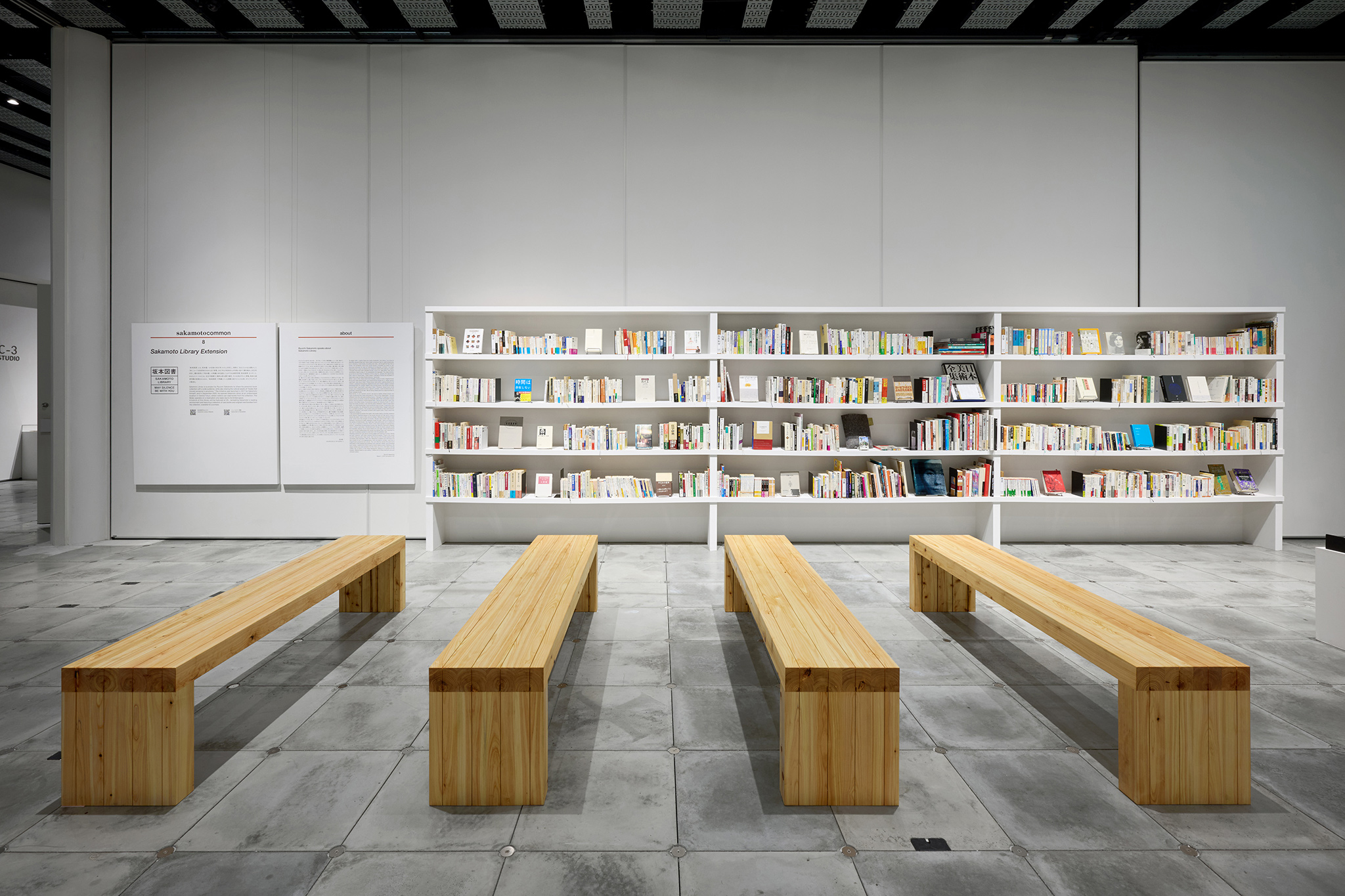
sakamotocommon OSAKA 1970/2025/OSAKA/RYUICHI SAKAMOTO 2025 ©2025 KAB Inc., VS. Joint Partnership
Photo by Asano Takeshi
Photo by Asano Takeshi
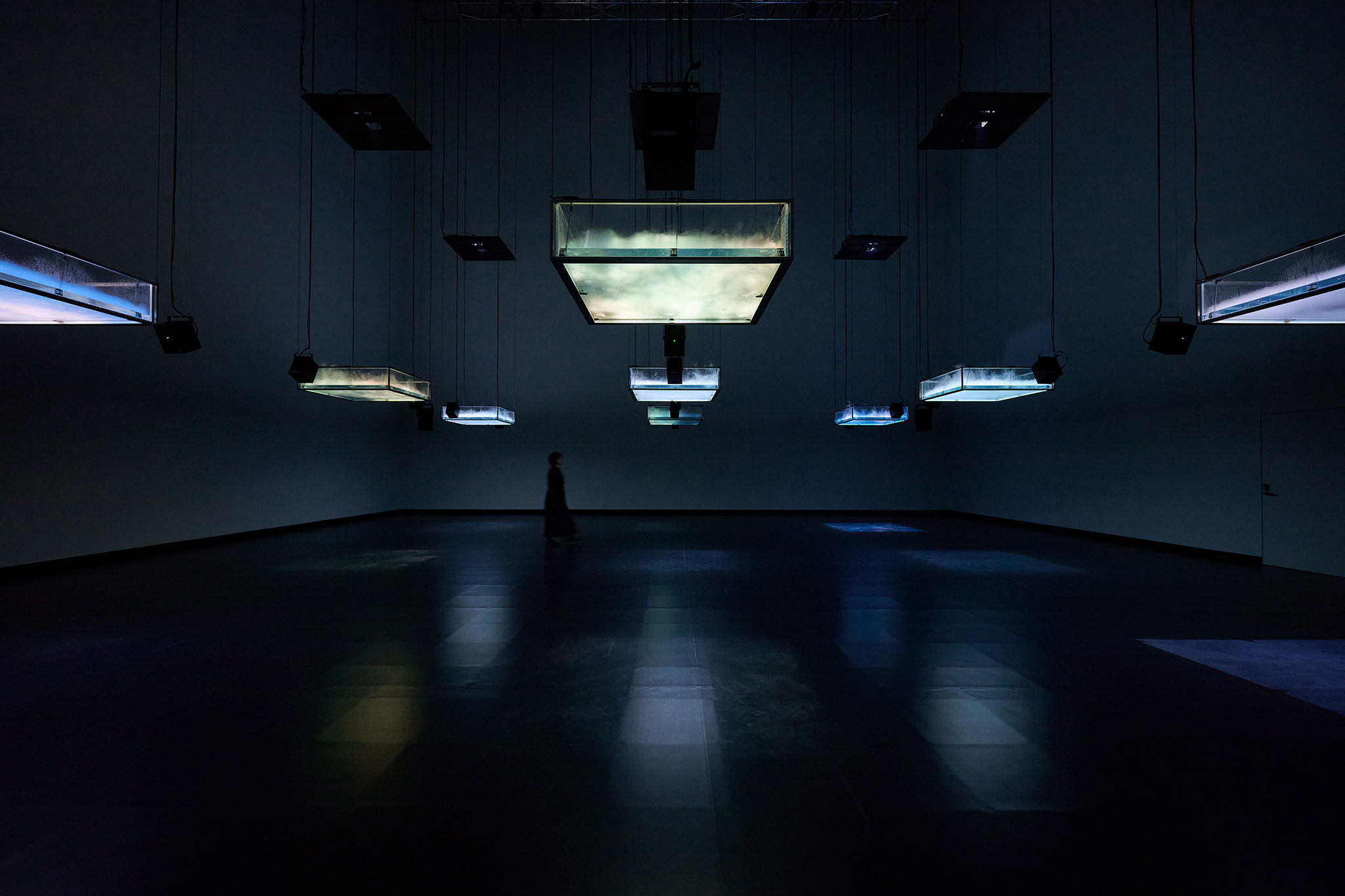
In 1970, at the age of 18, Ryuichi Sakamoto encountered a vast array of music and art at Expo ’70 in Osaka, held under the theme “Progress and Harmony for Mankind.” From the national pavilions echoed avant-garde electronic sounds rooted in atonality—Tōru Takemitsu’s Crossing and Seasons, Yuji Takahashi’s Egan (an early inspiration for Sakamoto), and Jōji Yuasa’s Music for Space Projection. At the West German Pavilion, Karlheinz Stockhausen performed Spiral daily in a spherical auditorium. The Pepsi Pavilion presented the world premiere of Fujiko Nakaya’s fog sculptures, while Iannis Xenakis created Hibiki-Hana-Ma for the Steel Pavilion, which also featured sonic sculptures by François Baschet.
These experiences would leave a lasting imprint on Sakamoto—becoming a conceptual spine for his lifelong exploration of sound. The emerging world of synthesizer-based electronic music also profoundly shaped his vision. Beginning in 2016, Sakamoto had the opportunity to perform and record with the original Baschet sound sculptures from Expo ’70, weaving their unique timbres into his own compositions. These experiments culminated in his 2017 album async, and echoed once more in his final stage work, TIME.
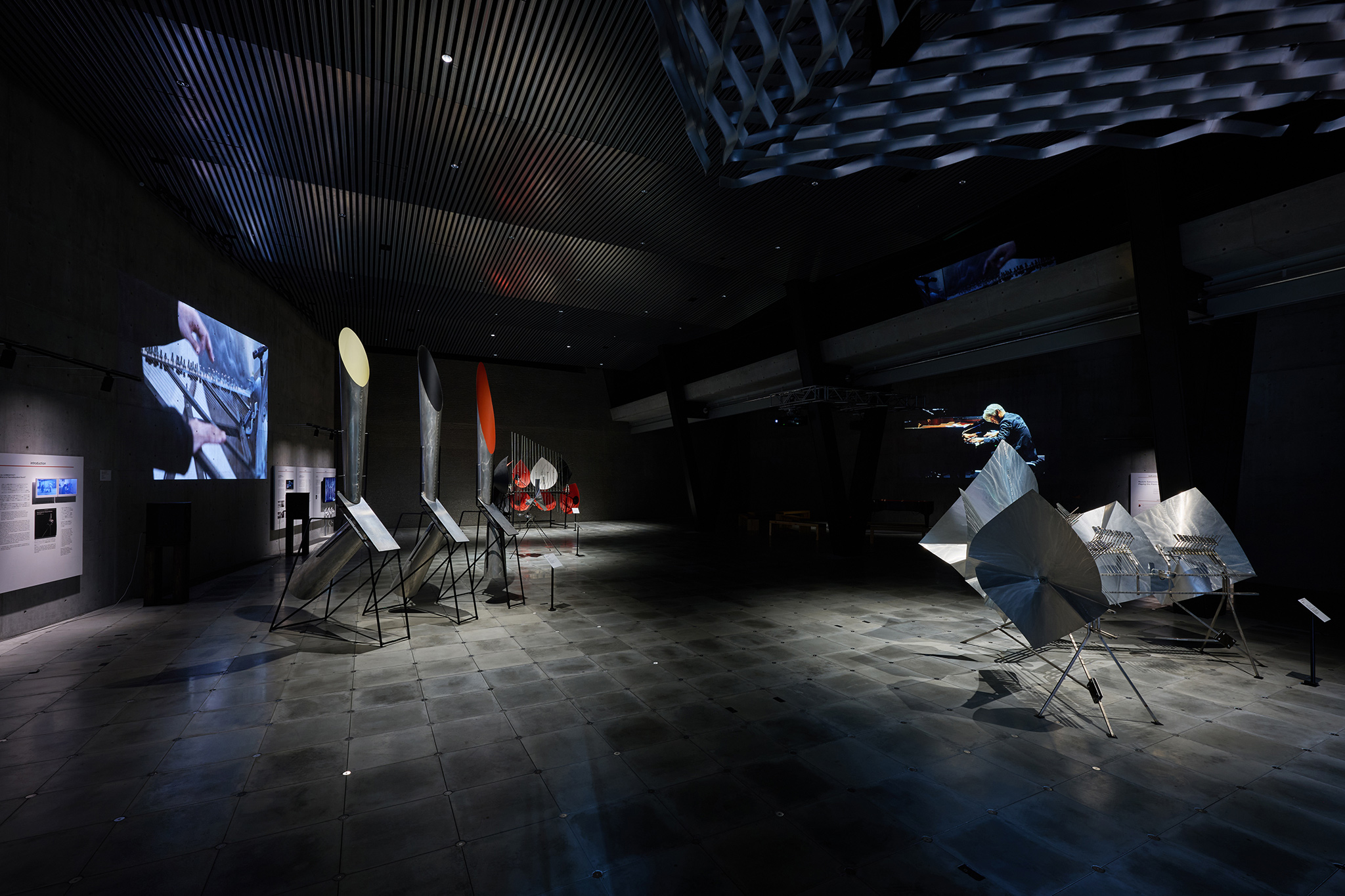
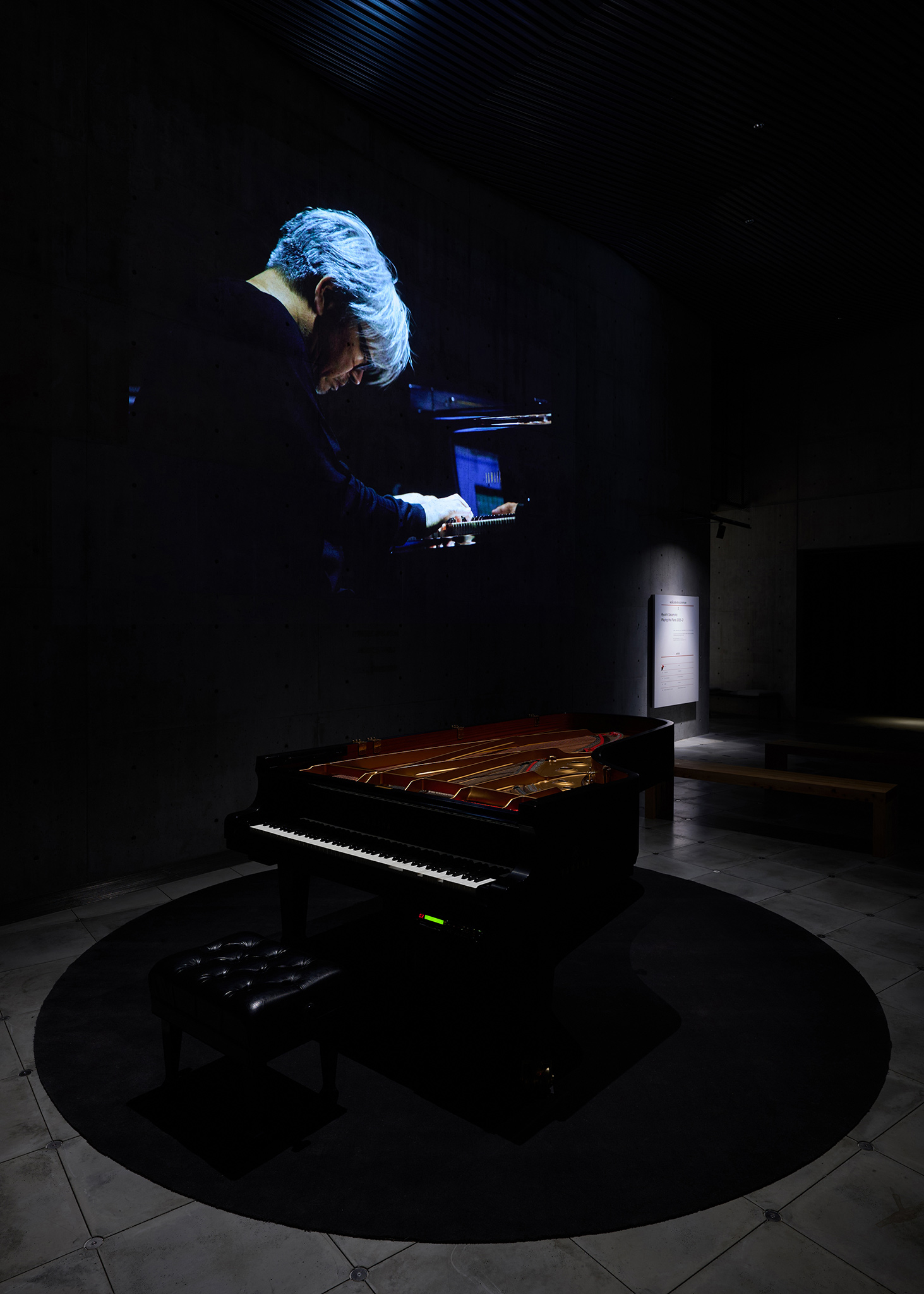
In 2025, as the World Expo returns to Osaka, we ask: might we pass on the inspiration that once stirred the young Sakamoto to a new generation of creators through the platform of sakamotocommon? With this in mind, we begin our project from “VS.,” a newly opened space in Umeda, Osaka. The exhibition will feature the Baschet sound sculptures originally shown at Expo ’70, along with newly created instruments crafted by the Baschet Restoration Team at Tokyo University of the Arts and Marti Ruiz—made especially for Sakamoto. In addition, using performance data from Sakamoto himself, audiences will be able to experience his beloved grand piano playing once more—offering a quiet echo of the hands that once shaped its sound.
Installations included:
Ryuichi Sakamoto + Shiro Takatani, LIFE–fluid, invisible, inaudible...
Ryuichi Sakamoto: Playing the Piano 2025 - D
Baschet sound sculptures
Ryuichi Sakamoto, on async
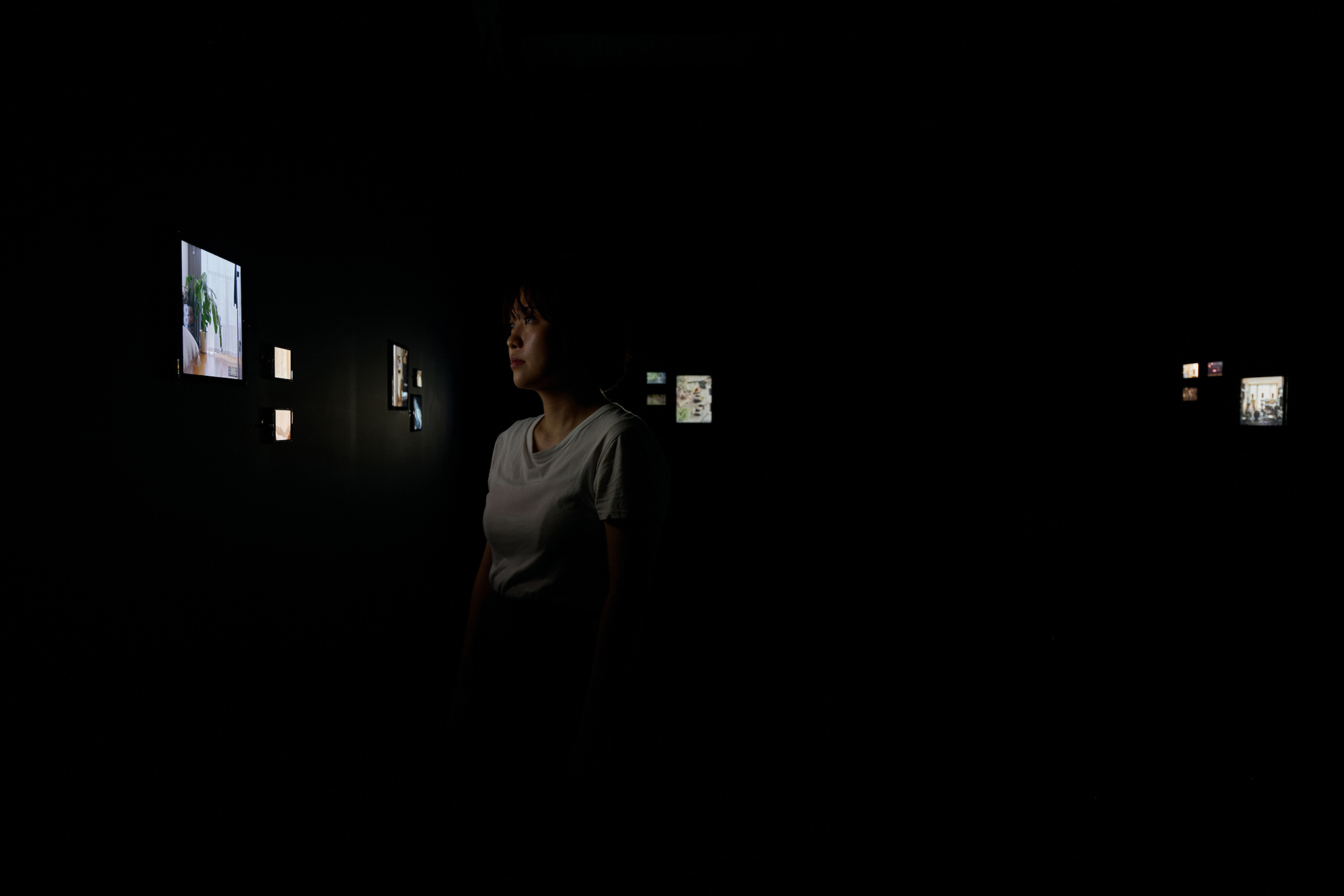
Ryuichi Sakamoto + Zakkubalan, async–volume
Ryuichi Sakamoto + Apichatpong Weerasethakul, async–first light
Apichatpong Weerasethakul, Durmiente
Ryuichi Sakamoto, “Ryuichi Sakamoto: Playing the Baschet”, "12" 360 Reality Audio
Ryuichi Sakamoto Archive: 1970‐
Sakamoto Library – Extension
These experiences would leave a lasting imprint on Sakamoto—becoming a conceptual spine for his lifelong exploration of sound. The emerging world of synthesizer-based electronic music also profoundly shaped his vision. Beginning in 2016, Sakamoto had the opportunity to perform and record with the original Baschet sound sculptures from Expo ’70, weaving their unique timbres into his own compositions. These experiments culminated in his 2017 album async, and echoed once more in his final stage work, TIME.
In 2025, as the World Expo returns to Osaka, we ask: might we pass on the inspiration that once stirred the young Sakamoto to a new generation of creators through the platform of sakamotocommon? With this in mind, we begin our project from “VS.,” a newly opened space in Umeda, Osaka. The exhibition will feature the Baschet sound sculptures originally shown at Expo ’70, along with newly created instruments crafted by the Baschet Restoration Team at Tokyo University of the Arts and Marti Ruiz—made especially for Sakamoto. In addition, using performance data from Sakamoto himself, audiences will be able to experience his beloved grand piano playing once more—offering a quiet echo of the hands that once shaped its sound.
Installations included:
Ryuichi Sakamoto + Shiro Takatani, LIFE–fluid, invisible, inaudible...
Ryuichi Sakamoto: Playing the Piano 2025 - D
Baschet sound sculptures
Ryuichi Sakamoto, on async
Ryuichi Sakamoto + Zakkubalan, async–volume
Ryuichi Sakamoto + Apichatpong Weerasethakul, async–first light
Apichatpong Weerasethakul, Durmiente
Ryuichi Sakamoto, “Ryuichi Sakamoto: Playing the Baschet”, "12" 360 Reality Audio
Ryuichi Sakamoto Archive: 1970‐
Sakamoto Library – Extension
sakamotocommon OSAKA 1970/2025/Osaka/Ryuichi Sakamoto (Japan, 2025)
Shiro Takatani, Zakkubalan, Apichatpong Weerasethakul, Sony, YAMAHA
sakamotocommon OSAKA 1970/2025/OSAKA/RYUICHI SAKAMOTO 2025 ©2025 KAB Inc., VS. Joint Partnership
Photo by Asano Takeshi
Photo by Asano Takeshi
sakamotocommon OSAKA 1970/2025/OSAKA/RYUICHI SAKAMOTO 2025 ©2025 KAB Inc., VS. Joint Partnership
Photo by Asano Takeshi
Photo by Asano Takeshi
sakamotocommon OSAKA 1970/2025/OSAKA/RYUICHI SAKAMOTO 2025 ©2025 KAB Inc., VS. Joint Partnership
Photo by Asano Takeshi
Photo by Asano Takeshi
sakamotocommon OSAKA 1970/2025/OSAKA/RYUICHI SAKAMOTO 2025 ©2025 KAB Inc., VS. Joint Partnership
Photo by Asano Takeshi
Photo by Asano Takeshi
sakamotocommon OSAKA 1970/2025/OSAKA/RYUICHI SAKAMOTO 2025 ©2025 KAB Inc., VS. Joint Partnership
Photo by Asano Takeshi
Photo by Asano Takeshi
sakamotocommon OSAKA 1970/2025/OSAKA/RYUICHI SAKAMOTO 2025 ©2025 KAB Inc., VS. Joint Partnership
Photo by Asano Takeshi
Photo by Asano Takeshi
sakamotocommon OSAKA 1970/2025/OSAKA/RYUICHI SAKAMOTO 2025 ©2025 KAB Inc., VS. Joint Partnership
Photo by Asano Takeshi
Photo by Asano Takeshi
sakamotocommon OSAKA 1970/2025/OSAKA/RYUICHI SAKAMOTO 2025 ©2025 KAB Inc., VS. Joint Partnership
Photo by Asano Takeshi
Photo by Asano Takeshi
In 1970, at the age of 18, Ryuichi Sakamoto encountered a vast array of music and art at Expo ’70 in Osaka, held under the theme “Progress and Harmony for Mankind.” From the national pavilions echoed avant-garde electronic sounds rooted in atonality—Tōru Takemitsu’s Crossing and Seasons, Yuji Takahashi’s Egan (an early inspiration for Sakamoto), and Jōji Yuasa’s Music for Space Projection. At the West German Pavilion, Karlheinz Stockhausen performed Spiral daily in a spherical auditorium. The Pepsi Pavilion presented the world premiere of Fujiko Nakaya’s fog sculptures, while Iannis Xenakis created Hibiki-Hana-Ma for the Steel Pavilion, which also featured sonic sculptures by François Baschet.
These experiences would leave a lasting imprint on Sakamoto—becoming a conceptual spine for his lifelong exploration of sound. The emerging world of synthesizer-based electronic music also profoundly shaped his vision. Beginning in 2016, Sakamoto had the opportunity to perform and record with the original Baschet sound sculptures from Expo ’70, weaving their unique timbres into his own compositions. These experiments culminated in his 2017 album async, and echoed once more in his final stage work, TIME.
In 2025, as the World Expo returns to Osaka, we ask: might we pass on the inspiration that once stirred the young Sakamoto to a new generation of creators through the platform of sakamotocommon? With this in mind, we begin our project from “VS.,” a newly opened space in Umeda, Osaka. The exhibition will feature the Baschet sound sculptures originally shown at Expo ’70, along with newly created instruments crafted by the Baschet Restoration Team at Tokyo University of the Arts and Marti Ruiz—made especially for Sakamoto. In addition, using performance data from Sakamoto himself, audiences will be able to experience his beloved grand piano playing once more—offering a quiet echo of the hands that once shaped its sound.
Installations included:
Ryuichi Sakamoto + Shiro Takatani, LIFE–fluid, invisible, inaudible...
Ryuichi Sakamoto: Playing the Piano 2025 - D
Baschet sound sculptures
Ryuichi Sakamoto, on async
Ryuichi Sakamoto + Zakkubalan, async–volume
Ryuichi Sakamoto + Apichatpong Weerasethakul, async–first light
Apichatpong Weerasethakul, Durmiente
Ryuichi Sakamoto, “Ryuichi Sakamoto: Playing the Baschet”, "12" 360 Reality Audio
Ryuichi Sakamoto Archive: 1970‐
Sakamoto Library – Extension
These experiences would leave a lasting imprint on Sakamoto—becoming a conceptual spine for his lifelong exploration of sound. The emerging world of synthesizer-based electronic music also profoundly shaped his vision. Beginning in 2016, Sakamoto had the opportunity to perform and record with the original Baschet sound sculptures from Expo ’70, weaving their unique timbres into his own compositions. These experiments culminated in his 2017 album async, and echoed once more in his final stage work, TIME.
In 2025, as the World Expo returns to Osaka, we ask: might we pass on the inspiration that once stirred the young Sakamoto to a new generation of creators through the platform of sakamotocommon? With this in mind, we begin our project from “VS.,” a newly opened space in Umeda, Osaka. The exhibition will feature the Baschet sound sculptures originally shown at Expo ’70, along with newly created instruments crafted by the Baschet Restoration Team at Tokyo University of the Arts and Marti Ruiz—made especially for Sakamoto. In addition, using performance data from Sakamoto himself, audiences will be able to experience his beloved grand piano playing once more—offering a quiet echo of the hands that once shaped its sound.
Installations included:
Ryuichi Sakamoto + Shiro Takatani, LIFE–fluid, invisible, inaudible...
Ryuichi Sakamoto: Playing the Piano 2025 - D
Baschet sound sculptures
Ryuichi Sakamoto, on async
Ryuichi Sakamoto + Zakkubalan, async–volume
Ryuichi Sakamoto + Apichatpong Weerasethakul, async–first light
Apichatpong Weerasethakul, Durmiente
Ryuichi Sakamoto, “Ryuichi Sakamoto: Playing the Baschet”, "12" 360 Reality Audio
Ryuichi Sakamoto Archive: 1970‐
Sakamoto Library – Extension