Ryuichi Sakamoto
Ryuichi Sakamoto
Newsbiographydiscographyfilmographyartworkstourarchivesnewslettermanagement© 2026 Kab Inc. / Kab America Inc.
PLANKTON: A Drifting World at the Origin of Life (2016)
Ryuichi Sakamoto + Shiro Takatani + Christian Sardet
Kyoto Municipal Museum of Art Annex (Kyotographie Festival, 2016)
photo: Takuya Oshima
photo: Takuya Oshima
Kyoto Municipal Museum of Art Annex (Kyotographie Festival, 2016)
photo: Takuya Oshima
photo: Takuya Oshima
Kyoto Municipal Museum of Art Annex (Kyotographie Festival, 2016)
photo: Takuya Oshima
photo: Takuya Oshima
Kyoto Municipal Museum of Art Annex (Kyotographie Festival, 2016)
photo: Takuya Oshima
photo: Takuya Oshima
With Christian Sardet - photo Shiro Takatani
© Shiro Takatani
© Shiro Takatani
With Christian Sardet - photo Shiro Takatani
© Shiro Takatani
© Shiro Takatani
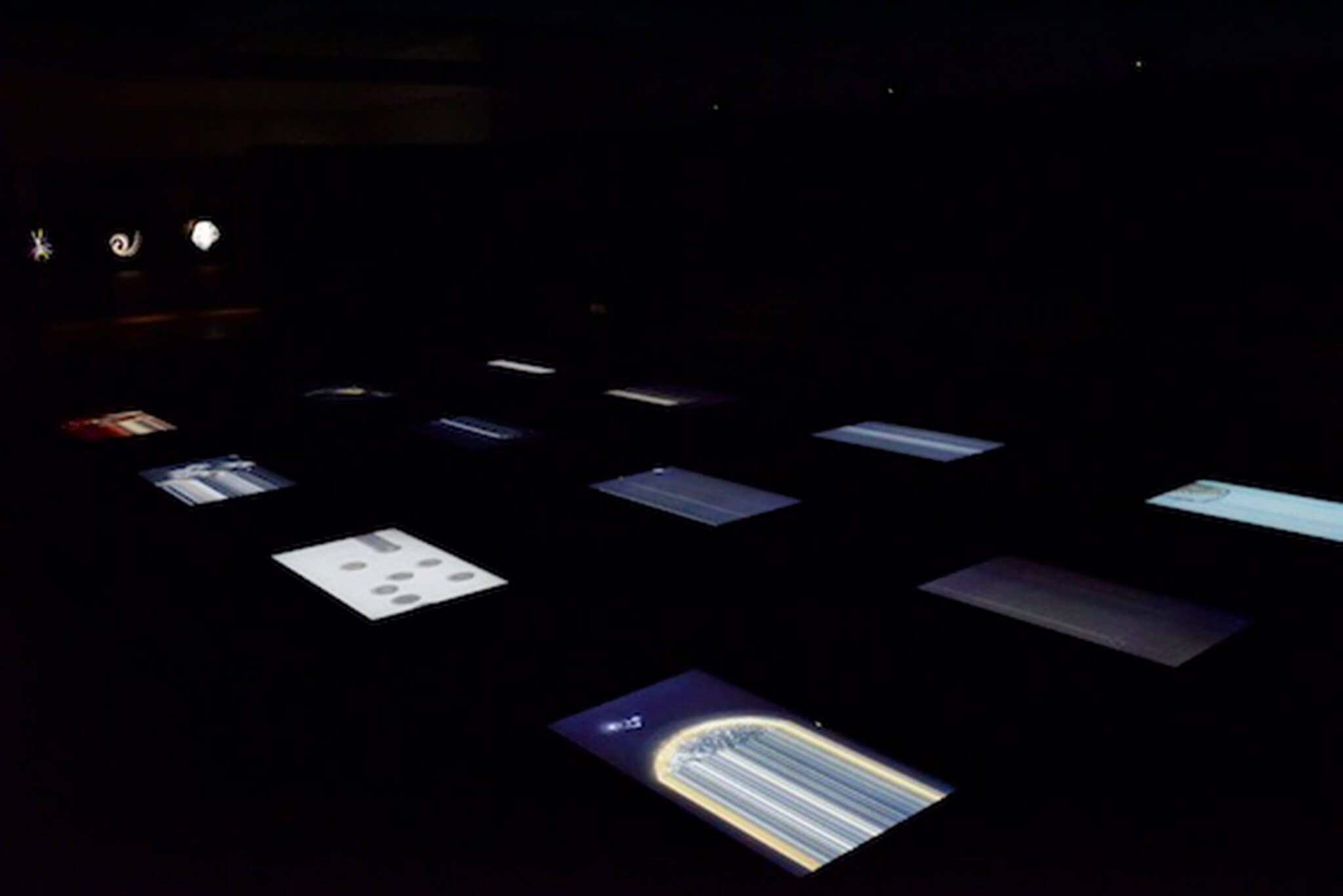
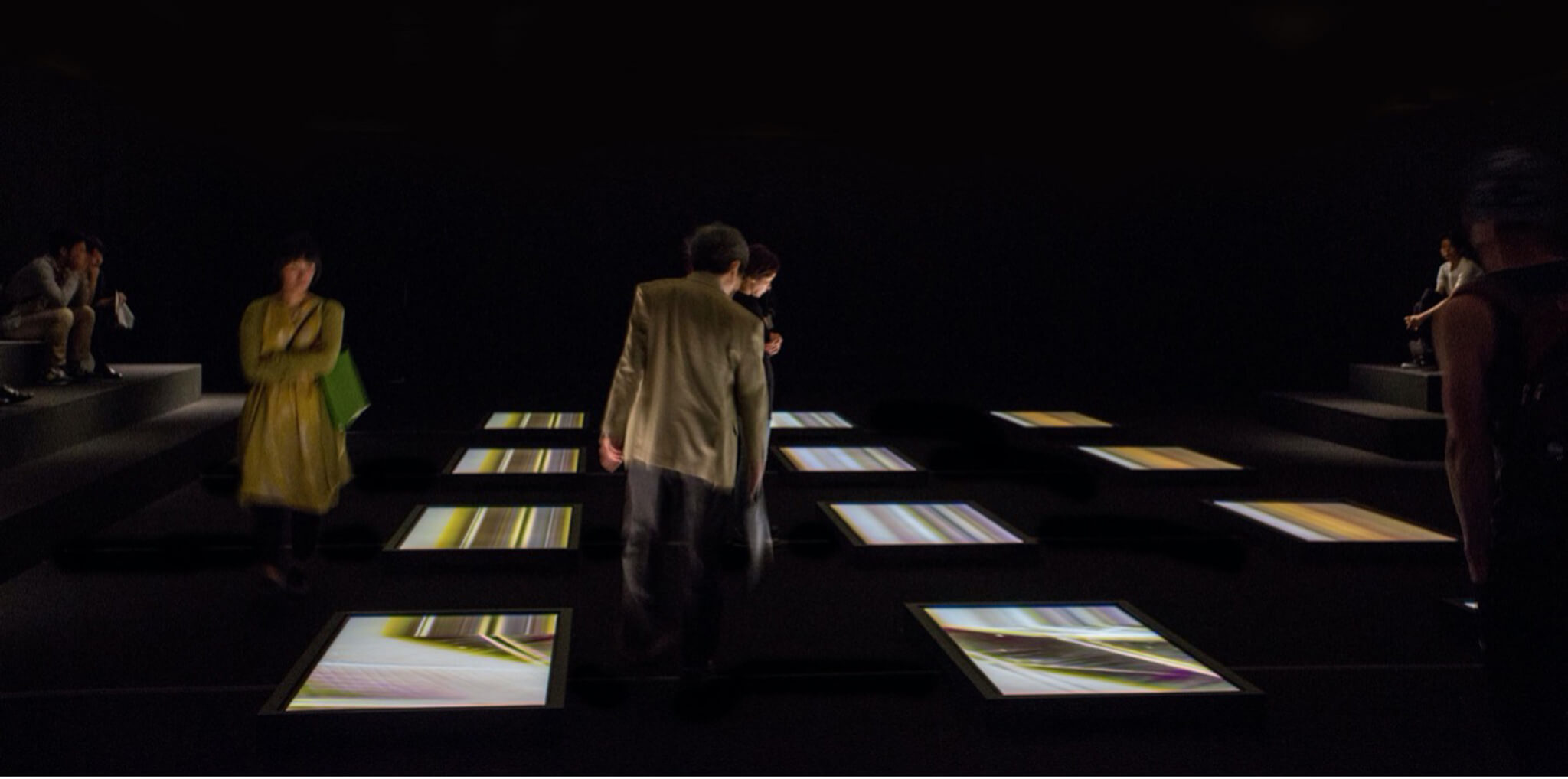
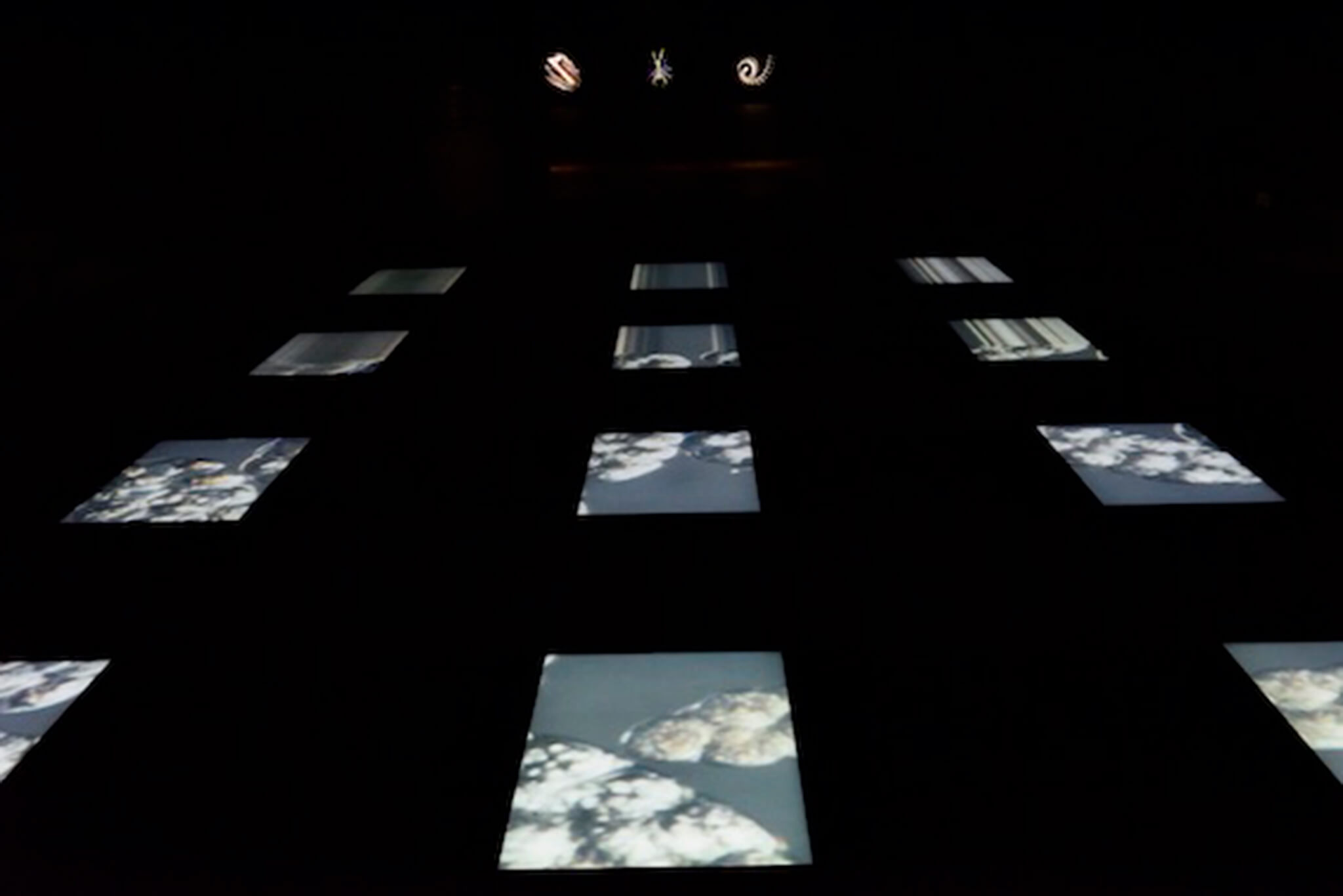
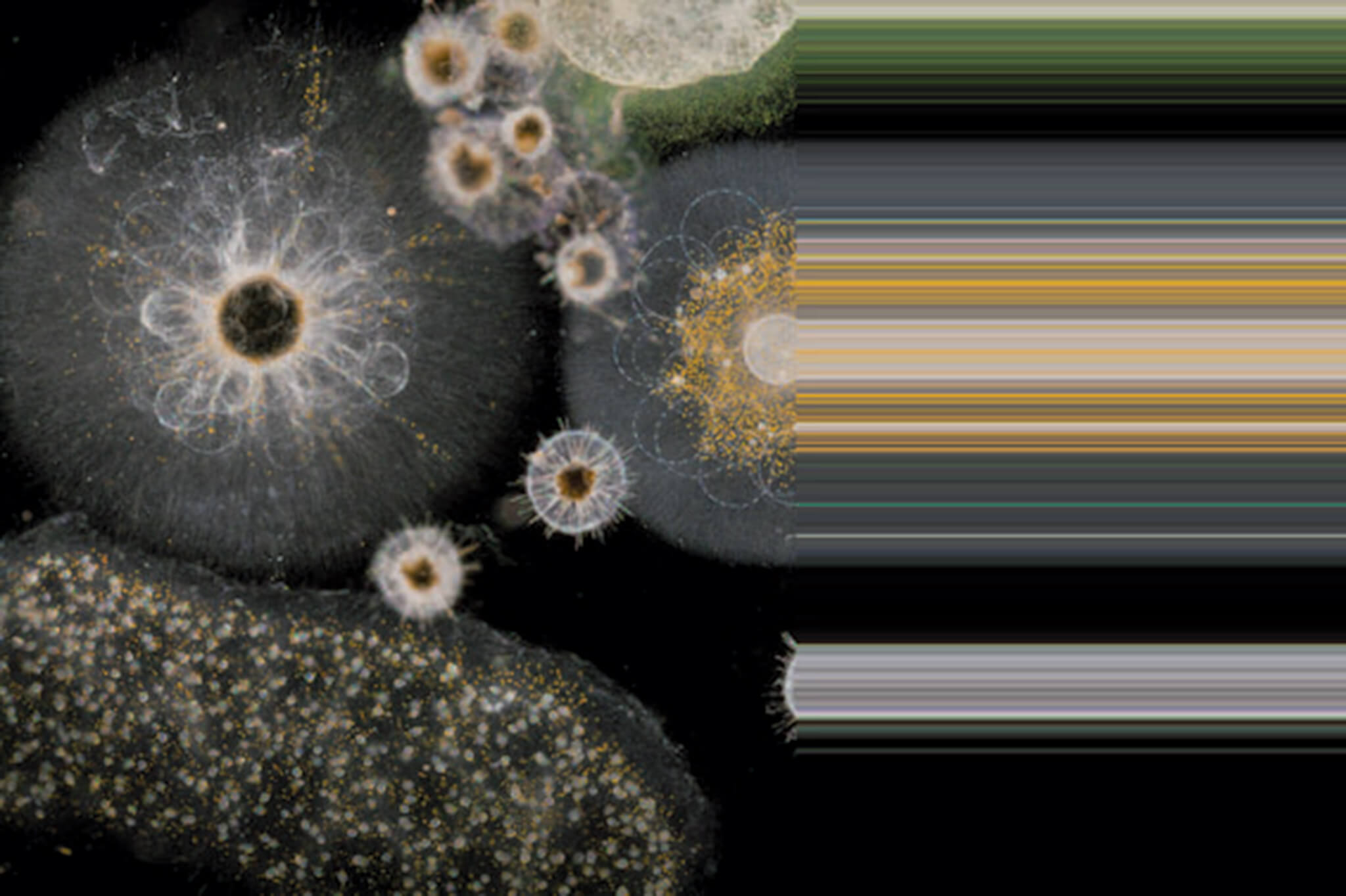
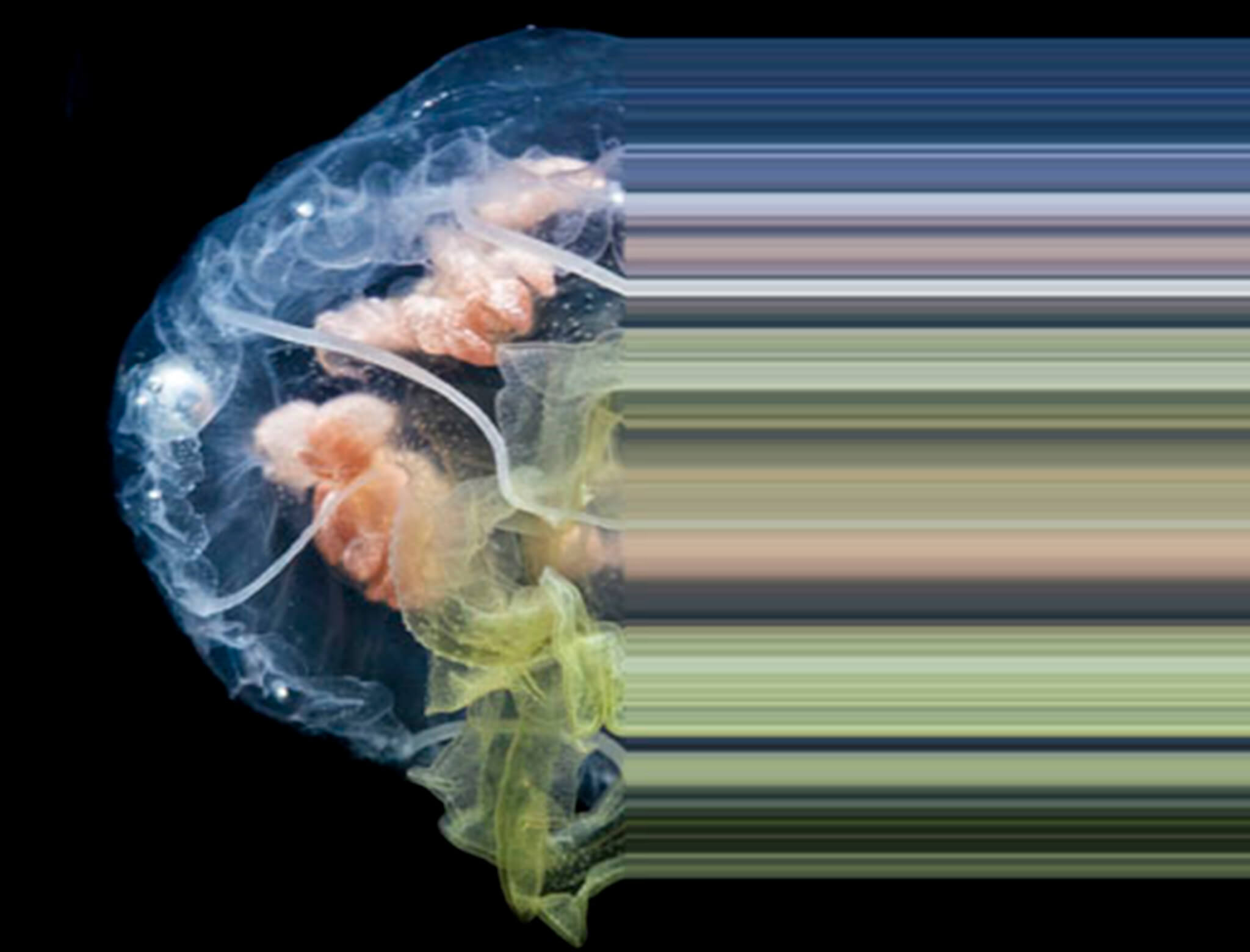
Marine biologist and photographer Christian Sardet has been photographing and visually recording plankton, which some might call one of the origins of life. This installation consists of twelve 64-inch monitors placed on the floor so that viewers can overlook Sardet's images as if looking through a microscope.
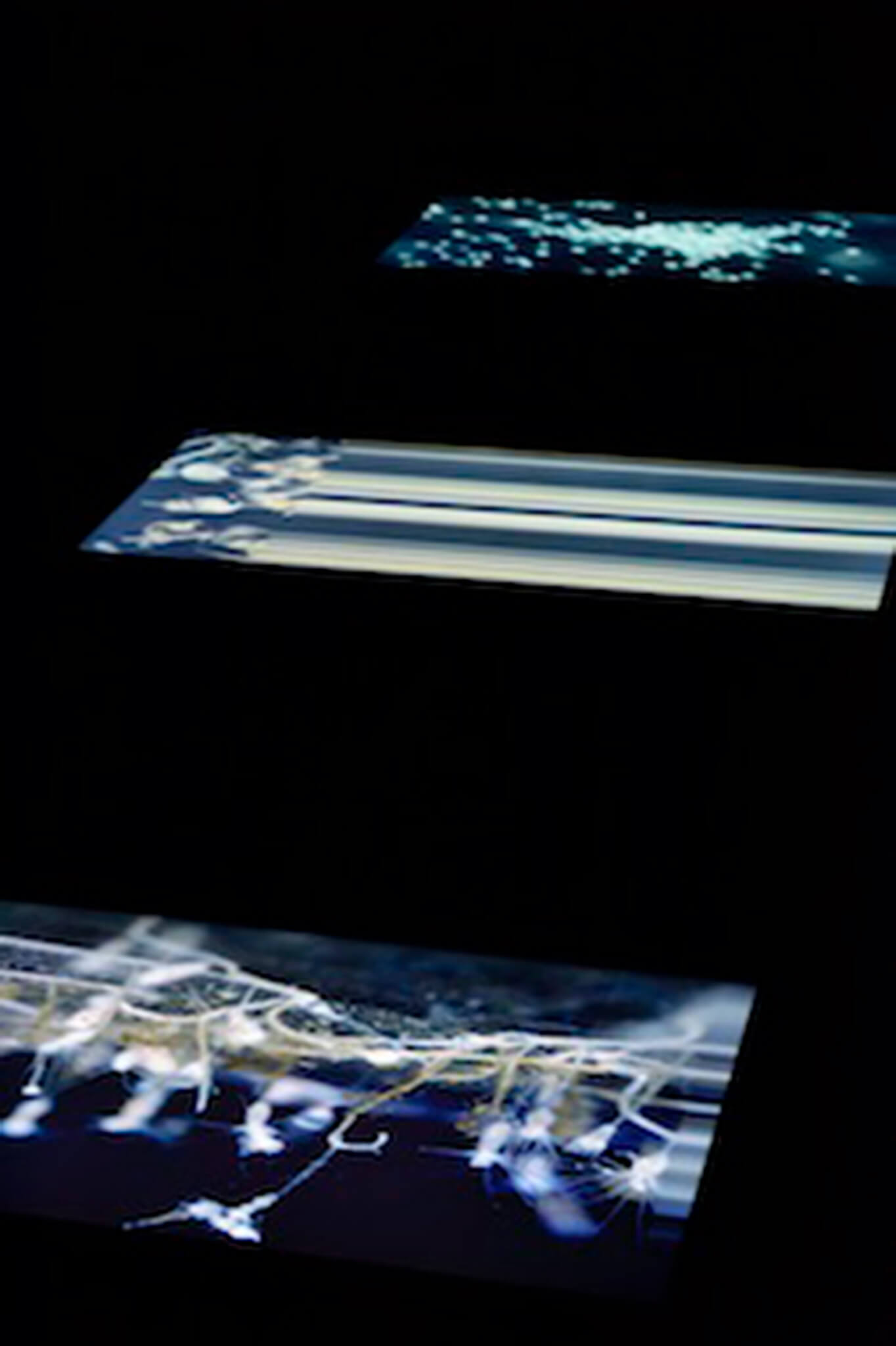
More than 1,000 species of plankton are projected one after another, sliding away with each transition. During this transition, Sardet's images turn into lines of color, generated by Takatani through a process he calls toposcan.
Independently of the shifting images, elements of a soundscape are randomly triggered. However, in moments when the images become still, the soundscape synchronizes with the visuals, evoking stillness.
More than 1,000 species of plankton are projected one after another, sliding away with each transition. During this transition, Sardet's images turn into lines of color, generated by Takatani through a process he calls toposcan.
Independently of the shifting images, elements of a soundscape are randomly triggered. However, in moments when the images become still, the soundscape synchronizes with the visuals, evoking stillness.
PLANKTON: A Drifting World at the Origin of Life (2016)
Ryuichi Sakamoto + Shiro Takatani + Christian Sardet
Kyoto Municipal Museum of Art Annex (Kyotographie Festival, 2016)
photo: Takuya Oshima
photo: Takuya Oshima
Kyoto Municipal Museum of Art Annex (Kyotographie Festival, 2016)
photo: Takuya Oshima
photo: Takuya Oshima
Kyoto Municipal Museum of Art Annex (Kyotographie Festival, 2016)
photo: Takuya Oshima
photo: Takuya Oshima
Kyoto Municipal Museum of Art Annex (Kyotographie Festival, 2016)
photo: Takuya Oshima
photo: Takuya Oshima
With Christian Sardet - photo Shiro Takatani
© Shiro Takatani
© Shiro Takatani
With Christian Sardet - photo Shiro Takatani
© Shiro Takatani
© Shiro Takatani
Marine biologist and photographer Christian Sardet has been photographing and visually recording plankton, which some might call one of the origins of life. This installation consists of twelve 64-inch monitors placed on the floor so that viewers can overlook Sardet's images as if looking through a microscope.
More than 1,000 species of plankton are projected one after another, sliding away with each transition. During this transition, Sardet's images turn into lines of color, generated by Takatani through a process he calls toposcan.
Independently of the shifting images, elements of a soundscape are randomly triggered. However, in moments when the images become still, the soundscape synchronizes with the visuals, evoking stillness.
More than 1,000 species of plankton are projected one after another, sliding away with each transition. During this transition, Sardet's images turn into lines of color, generated by Takatani through a process he calls toposcan.
Independently of the shifting images, elements of a soundscape are randomly triggered. However, in moments when the images become still, the soundscape synchronizes with the visuals, evoking stillness.